
Residential Standard Window Sizes: Homeowners’ Guide to Types, Dimensions, and Efficiency
Upgrading the windows in your home is one of the best home improvement projects you can take on—especially here in the Pacific Northwest, where damp winters and sunny summer afternoons both demand energy-efficient, high-performing windows.
Standard Opening Procedures: Residential Window Sizes
For homeowners considering a window replacement project, one of the first questions that typically comes up is, “What exactly ARE the standard window sizes for a residential home, anyway?”
The answer depends on the type of window you’re considering, the location in your home, and whether you’re planning for new construction or fitting replacement windows into an existing rough opening. In this complete guide, we’ll break down the most common residential window sizes by type, explore how window features affect style and function, and share why it’s worth knowing your options before you start shopping. For professional assistance, Tacoma HVAC Services can ensure your new windows are installed correctly and perform efficiently.
Low Costs, High Style: Making Windows at Scale
Before diving into specifics, it’s helpful to understand why standard window sizes exist in the first place. Window manufacturers produce a range of typical sizes to fit most residential needs, and these standard dimensions help reduce costs and streamline installation. However, custom window sizes are always an option—especially if your home has a unique architectural style, or you want to maximize natural light in a specific room.
When selecting windows, homeowners should also consider:
- A range of features which help increase energy efficiency such as multiple panes, gas filling, and low-E coatings
- Local building codes, including egress window requirements in bedrooms and basements
- The function of each room (e.g., is the window in a quiet retreat or a busy kitchen?)
- Aesthetic goals, such as enhancing curb appeal with bay or picture windows
Different Types of Windows, Standard Sizes
Now, let’s take a closer look at different types of common windows, and the standard dimensions you can expect for each. And remember, these measurements generally refer to the window frame itself—not just the glass.
1. Double-Hung Windows
One of the most popular types of windows, double-hung models feature two sashes that slide vertically. They’re often used in bedrooms, living rooms, and common areas thanks to their excellent ventilation and relatively easy cleaning.
- Standard widths: 24“ to 48“
- Standard heights: 36“ to 72“
Tip: Double-hung window sizes are ideal for homes with traditional styling and work well in rooms where airflow and operability matter. (Also, single-hung windows are very similar, except only one sash slides open.)
2. Casement Windows
Casement windows are hinged on one side, opening outward with a crank. They’re great for tight spaces, such as bathroom windows or above kitchen sinks, where it’s hard to reach a sliding sash.
- Standard widths: 16″ to 48″
- Standard heights: 24″ to 84″
Tip: Casement windows are especially effective at creating a tight seal when closed, making them top performers in terms of energy efficiency.
3. Picture Windows
Designed to let in maximum light, picture windows are large, fixed windows that don’t open. They’re a popular choice for living rooms and spaces where you want uninterrupted views and architectural impact.
- Standard widths: 34″ to 72″+
- Heights: 36″ to 60″+
Tip: Because they don’t open, picture windows are often paired—typically on both sides—with operable windows, like casement or awning windows, to aid in ventilation.
4. Sliding Windows
Also called gliders, sliding windows open and close horizontally. They’re sleek, simple, space-saving, and common in modern and mid-century homes.
- Standard widths: 36″ to 84″
- Standard heights: 24″ to 60″
Tip: These windows work well in basements, bathrooms, and anywhere you want a streamlined profile.
5. Awning Windows
Awning windows are hinged at the top and open outward. They’re perfect for rainy climates like the Pacific Northwest because they can stay open during light showers without letting water in.
- Standard widths: 16″ to 48″
- Standard heights: 24″ to 84″
Tip: Awning windows are also a great choice for basements, bathrooms, and spaces where you want light and airflow while minimizing moisture incursion when open.
6. Bay and Bow Windows
Bay windows typically consist of one, often quite large, picture window in the center, flanked by two casement or double-hung windows at an angle. Bow windows are similar, but use four or more windows for a gentler curve.
- Standard widths: 26″ to 120″+
- Heights: 36″ to 72″
Tip: For homeowners in Bellevue seeking professional window services, choosing the right type and size is critical for maximizing efficiency and maintaining a consistent indoor environment.
Room-by-Room Window Sizing
Different rooms have different needs, and both models and sizes range accordingly. Here are a few quick pointers to find the best windows by location in your home:
- Living rooms: Consider large picture windows, bay windows, or bow windows to maximize natural light and provide unobstructed views of the scenery.
- Bedrooms: Make sure at least one window meets egress window requirements. Double-hung windows are common here.
- Bathrooms: Use casement or awning windows for ventilation, and consider frosted glass for privacy.
- Kitchens: Combine casement or awning styles above sinks for easy operation in tighter spaces.
- Basements: Go with sliding or awning windows that meet code, and look into window wells for safety and light.
How to Measure for Standard Window Sizes
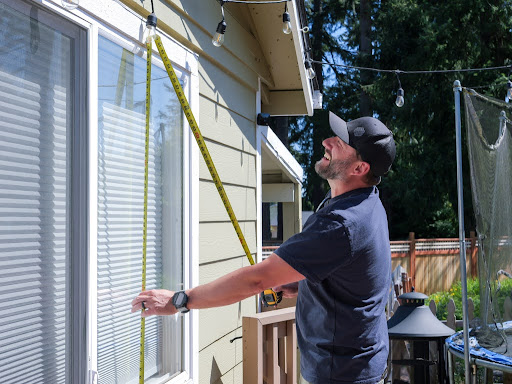
When planning a window replacement, getting accurate measurements of your window dimensions is key. Here’s the best technique to ensure you end up with a perfect fit:
- Measure the window width from stud to stud at the top, middle, and bottom of the opening.
- Measure the window height from the sill to the top of the opening at the left, middle, and right.
- If there’s any discrepancy amongst these three measurements, use the smallest to determine the correct rough window opening size.
Most importantly, if you’re unsure, it’s best to bring in a pro, as incorrect window measurements can lead to costly delays.
Energy Efficiency and Modern Window Options
No matter the window style or size, Pacific Northwest homeowners should always prioritize durability and energy efficiency in our dynamic climate. Look for:
- Double- or triple-pane glass
- Low-E coatings to reflect heat
- Argon or krypton gas fills to improve insulation
- Energy Star certification
These features will help reduce your heating bills in winter and cooling costs in summer.
Tips for Staying Comfortable During Summer
Replacing windows can have a huge impact on your home’s energy efficiency, especially during heat waves. For strategies to keep your home cool while maximizing energy savings, check out 5 Ways to Beat the Heat Wave, which covers practical tips for maintaining comfort during the hottest months.
Choosing the Right Window Sizes for Your Home
Understanding standard window sizes gives you a strong head start when planning a window replacement project. Whether you’re looking to upgrade your kitchen windows, expand your living room views with a bay window, want to improve airflow and comfort with casement or double-hung windows, or some combination of all of the above, there’s a solution out there that fits your needs.
Still not sure what window size or style is best for your home? At Washington Energy Services, we help Pacific Northwest homeowners navigate their replacement window options—from choosing the right types of windows to ensuring proper window installation for long-lasting performance.
Ready to upgrade your windows? Contact us today for a free in-home estimate and see how the right size and style can transform your home.
- AC
- AC Installation
- AC Units
- AFUE
- air conditioner
- air conditioning
- air conditioning maintenance
- air conditioning service
- air conditioning tune-up
- air duct
- air duct cleaning
- air handlers
- air pollution
- Air Purification System
- air purifier
- Air Sealing
- angie's list
- award
- BBB
- BBB Accredited Business
- before and after
- Best air conditioner
- best filters
- best generator
- best water heater
- best window install
- boilers
- bryant
- Bryant AC
- bryant furnace
- bryant heat pump
- clean air
- combi-boiler
- comfort
- contractor
- contractors
- Cooling
- daikin
- deals
- discounts
- DIY
- door replacement
- Door Transformations
- doors
- drafty home
- drain cleaning
- Duct Cleaning
- Duct Cleaning Services
- ductless
- Ductless heat pump
- ductless heat pump. mini-split
- Ductless heat pumps
- ductless heating systems
- ductless installation
- Ducts
- earth day
- eco friendly
- EER
- election
- electrical inspection
- energy
- energy conservation
- energy efficiency
- energy efficiency rebates
- energy efficient home
- energy efficient hvac
- energy efficient HVAC Systems
- energy efficient windows
- energy myths
- energy saving
- energy saving home products
- energy star
- energy tax credit
- environmentally friendly
- exterior doors
- fall
- fall weather
- fiber cement
- filter
- filter change
- financing options
- fireplace
- fireplace insert
- furnace
- furnace filters
- furnace install
- furnace maintenance
- furnace mileage
- furnace problems
- furnace replacement
- furnace service
- furnaces
- gas fireplace
- Gas Fireplace Makeover
- gas furnace
- generators
- going green
- good business practices
- Guardian Maintenance Club
- heat
- heat pump
- heat pump installation
- heat pump maintenance
- heat pump vs ac
- Heat Pumps
- heat pumps maintenance
- heat wave
- Heating
- heating and cooling systems
- Heating Brands
- Heating Control
- Heating equipment
- Heating System Tuneup
- heatwave
- HEPA filter
- history
- holiday
- home
- home buyer
- home energy
- home energy efficiency
- Home energy efficiency solutions
- home exterior
- home heating
- home improvement
- home improvement repair
- home inspection
- home maintenance
- home maintenance checklist
- home performance
- home protection
- home repair
- home safety
- home upgrades
- home value
- home windows
- homeowners
- honeywell
- hot water
- hot water heater
- how to
- HVAC
- HVAC Contractor
- HVAC Contractors
- hvac system
- IAQ
- indoor air quality
- infographic
- install
- install furnace
- insulation
- intellihot
- light bulb
- light bulbs
- mailbag
- maintenance
- membership
- mini-split
- money saving
- navien
- new door installation
- new home
- New homeowner
- new windows
- news
- pacific northwest weather
- patio doors
- pets
- plumbing
- plumbing inspection
- power
- power outages
- precision tune up
- preventative
- Pro Tips
- Programmable Thermostats
- propane
- PSE Energy
- PUD
- Ratings
- rebates
- refund
- REME Halo
- remodeling hacks
- Replacing Heating System
- reputation
- Safe Home Insulation
- sale
- save energy
- Saving money
- scam
- scams
- seattle
- Seattle Weather
- SEER
- service
- services
- Smart thermostat
- smoke
- Solar Attic Fan
- solar power
- spring
- standby generators
- summer
- summer fires
- Summer heat
- Summer home
- super service 2016
- tank water heater
- Tank water heaters
- tankless tune ups
- tankless water heater
- tankless water heaters
- tax rebate
- tips
- tune-up
- upgrade
- upgrade cooling
- upgrade heating
- utility rebates
- Washington Energy
- washington energy services
- water conservation
- Water Heater
- water heater installation
- water heater maintenance
- water heater repair
- water heaters
- weather windows
- Wildfire Season
- wildfire smoke
- window
- window energy efficiency
- window install
- window maintence
- window remodel
- window repair
- window replacement
- windows
- winner
- winter
- Air Conditioning
- Air Purifiers
- Cooling
- Doors
- Ductless heat pump
- Environmental
- Fireplace
- Furnace
- Gas fireplace
- Generators
- Heat pump
- Heating
- Home improvement
- How to
- HVAC
- Indoor Air Quality
- Insulation
- News
- Plumbing
- Rebates
- Seattle
- Service near you
- Siding
- Tank water heaters
- Tankless water heaters
- Tips to save money
- Uncategorized
- Wildfire Season
- Windows