

5 Home Winterization Tips to Save Money and Avoid Headaches
Winter in the Pacific Northwest brings cold temperatures and moisture that can affect your home’s comfort and energy efficiency. Proper winterization can help you save money and avoid unexpected issues. For professional assistance, consider Tacoma HVAC Services to ensure your systems are ready for the season.
Seal Your Windows and Doors
Tiny leaks can make a big dent in your home’s energy efficiency—as much as 30 percent per year! (U.S. Department of Energy) Some simple and cost-effective caulking of windows and weather stripping on doors can drastically reduce this leakage.
First, find out if you have air leakage. For both doors and windows, place a fan or use a hair dryer on the exterior side. Have someone else hold a match on the inside of the house. Point the air stream around the door or window. If there is a flicker of the match on the inside, you know that you have an air leak. This doesn’t just allow cold air to enter your home—you’re also losing valuable warm air to the exterior.
Air leaks should be repaired immediately by installing well-fitting weather stripping along the door seam and putting caulking around the windows. Don’t forget to remove old or cracked caulking first.
Get Tuned Up
This one is easy because Washington Energy Services provides this weatherization to-do for you. A Precision Furnace Tune-Up is the best step you can take to make your furnace a winter workhorse. The 37-point inspection takes a comprehensive look at your furnace, providing the fixes it needs to stay working all winter long.
If your furnace is past its prime in terms of age, efficiency, or operability, the ultimate weatherization step would be to replace it. Call us for a free in-home estimate, and we’ll send a technician to inspect your current furnace and recommend the best solutions for your home and budget. And if you need HVAC service in Bellevue, now is the perfect time to schedule seasonal maintenance so your system is ready for winter.
Invest In Pipe Insulation
Cold weather means cold pipes, and cold pipes can mean burst pipes. Protect them from freezing temperatures by insulating them in unheated areas. Pipe insulation tubes, which are available at hardware stores, are typically made of polyethylene or fiberglass and come in various measurements. To ensure a good fit, measure your pipes before purchasing insulation.
Bonus tip: Don’t forget to use or purchase an exterior faucet cover!
Change Your Furnace Filters
This is perhaps the easiest weatherization tip and one that should occur year-round. Changing your furnace filters once a month during the heating season (when you need your furnace most) is crucial to its function and efficiency. Fresh filters extend the life of your furnace, reduce your heating bills, and improve your home’s air quality.
The easiest way to change your furnace filter is to sign up for our Automatic Filter Replacement Program. We’ll send you a fresh air filter when it’s time to switch it out. All you have to do is insert it!
Get A Programmable Thermostat
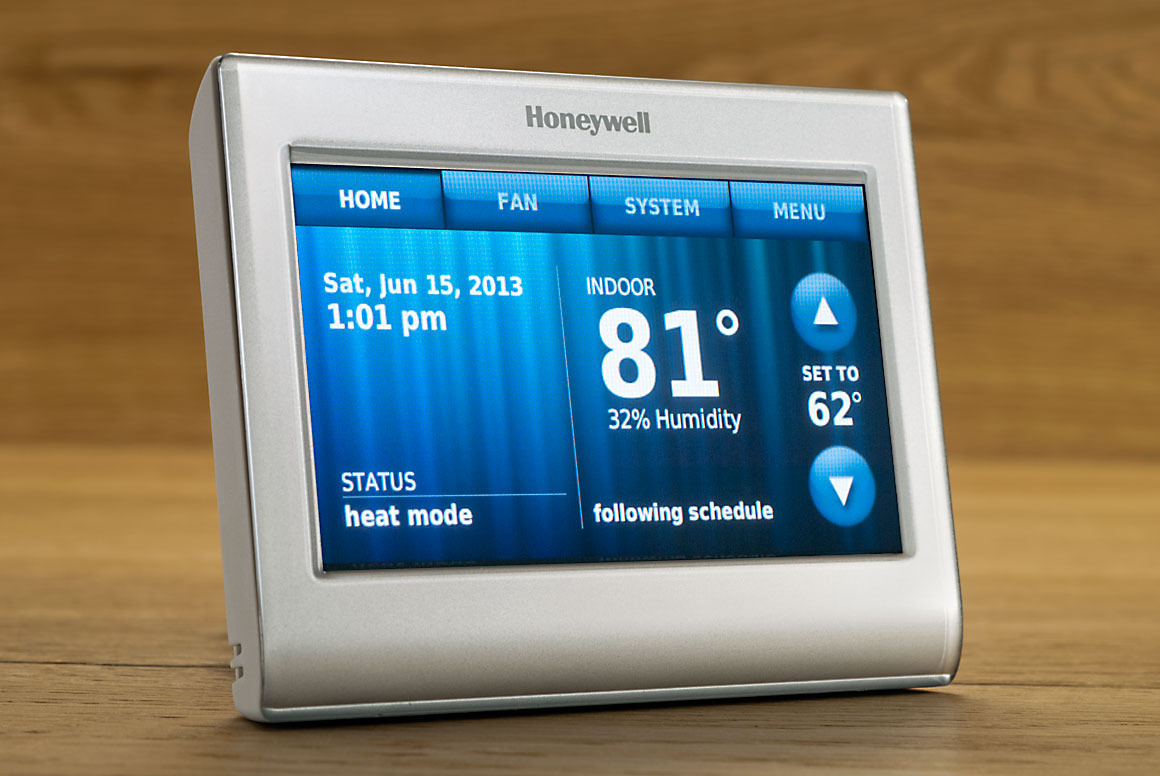
With the temperatures dropping, it can be tempting to have the heat constantly running. A better idea? Use a programmable thermostat to heat your home only when you need it. Set it to turn on before you wake up, turn off when you go to work, and rev back to life right before you return.
If you’re experiencing high heating bills, it might be time to evaluate your home’s energy efficiency. Our article Heating Bills Too High? offers insights into common causes and solutions to reduce your energy costs.
Weatherizing your home doesn’t have to be time-consuming or expensive. Following just a few cold weather preparation tips can save you major headaches—and maybe even a little cash—this winter.
Related Products and Services

- AC
- AC Installation
- AC Units
- AFUE
- air conditioner
- air conditioning
- air conditioning maintenance
- air conditioning service
- air conditioning tune-up
- air duct
- air duct cleaning
- air handlers
- air pollution
- Air Purification System
- air purifier
- Air Sealing
- angie's list
- award
- BBB
- BBB Accredited Business
- before and after
- Best air conditioner
- best filters
- best generator
- best water heater
- best window install
- boilers
- bryant
- Bryant AC
- bryant furnace
- bryant heat pump
- clean air
- combi-boiler
- comfort
- contractor
- contractors
- Cooling
- daikin
- deals
- discounts
- DIY
- door replacement
- Door Transformations
- doors
- drafty home
- drain cleaning
- Duct Cleaning
- Duct Cleaning Services
- ductless
- Ductless heat pump
- ductless heat pump. mini-split
- Ductless heat pumps
- ductless heating systems
- ductless installation
- Ducts
- earth day
- eco friendly
- EER
- election
- electrical inspection
- energy
- energy conservation
- energy efficiency
- energy efficiency rebates
- energy efficient home
- energy efficient hvac
- energy efficient HVAC Systems
- energy efficient windows
- energy myths
- energy saving
- energy saving home products
- energy star
- energy tax credit
- environmentally friendly
- exterior doors
- fall
- fall weather
- fiber cement
- filter
- filter change
- financing options
- fireplace
- fireplace insert
- furnace
- furnace filters
- furnace install
- furnace maintenance
- furnace mileage
- furnace problems
- furnace replacement
- furnace service
- furnaces
- gas fireplace
- Gas Fireplace Makeover
- gas furnace
- generators
- going green
- good business practices
- Guardian Maintenance Club
- heat
- heat pump
- heat pump installation
- heat pump maintenance
- heat pump vs ac
- Heat Pumps
- heat pumps maintenance
- heat wave
- Heating
- heating and cooling systems
- Heating Brands
- Heating Control
- Heating equipment
- Heating System Tuneup
- heatwave
- HEPA filter
- history
- holiday
- home
- home buyer
- home energy
- home energy efficiency
- Home energy efficiency solutions
- home exterior
- home heating
- home improvement
- home improvement repair
- home inspection
- home maintenance
- home maintenance checklist
- home performance
- home protection
- home repair
- home safety
- home upgrades
- home value
- home windows
- homeowners
- honeywell
- hot water
- hot water heater
- how to
- HVAC
- HVAC Contractor
- HVAC Contractors
- hvac system
- IAQ
- indoor air quality
- infographic
- install
- install furnace
- insulation
- intellihot
- light bulb
- light bulbs
- mailbag
- maintenance
- membership
- mini-split
- money saving
- navien
- new door installation
- new home
- New homeowner
- new windows
- news
- pacific northwest weather
- patio doors
- pets
- plumbing
- plumbing inspection
- power
- power outages
- precision tune up
- preventative
- Pro Tips
- Programmable Thermostats
- propane
- PSE Energy
- PUD
- Ratings
- rebates
- refund
- REME Halo
- remodeling hacks
- Replacing Heating System
- reputation
- Safe Home Insulation
- sale
- save energy
- Saving money
- scam
- scams
- seattle
- Seattle Weather
- SEER
- service
- services
- Smart thermostat
- smoke
- Solar Attic Fan
- solar power
- spring
- standby generators
- summer
- summer fires
- Summer heat
- Summer home
- super service 2016
- tank water heater
- Tank water heaters
- tankless tune ups
- tankless water heater
- tankless water heaters
- tax rebate
- tips
- tune-up
- upgrade
- upgrade cooling
- upgrade heating
- utility rebates
- Washington Energy
- washington energy services
- water conservation
- Water Heater
- water heater installation
- water heater maintenance
- water heater repair
- water heaters
- weather windows
- Wildfire Season
- wildfire smoke
- window
- window energy efficiency
- window install
- window maintence
- window remodel
- window repair
- window replacement
- windows
- winner
- winter
- Air Conditioning
- Air Purifiers
- Cooling
- Doors
- Ductless heat pump
- Environmental
- Fireplace
- Furnace
- Gas fireplace
- Generators
- Heat pump
- Heating
- Home improvement
- How to
- HVAC
- Indoor Air Quality
- Insulation
- News
- Plumbing
- Rebates
- Seattle
- Service near you
- Siding
- Tank water heaters
- Tankless water heaters
- Tips to save money
- Uncategorized
- Wildfire Season
- Windows