
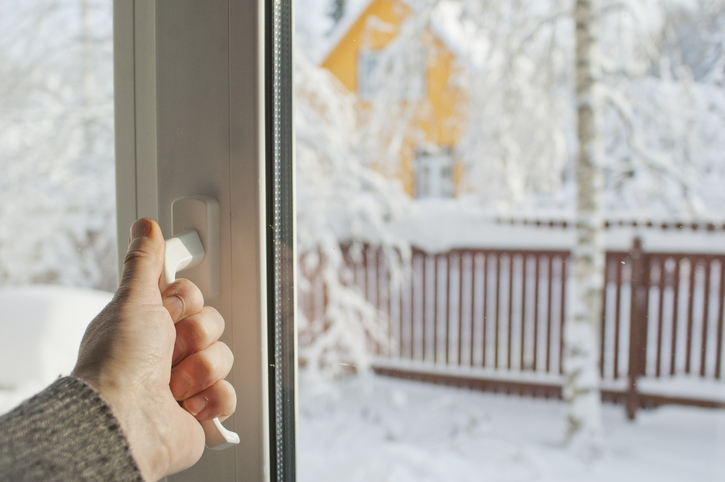
Is Your Home Letting In Cold Air? See How Windows And Doors Can Lose Heat.
A home can loose air in two main ways: air physically leaking through the smallest of gaps, and heat transferring through the materials themselves. This means that even when your windows and doors are firmly shut, you’re not necessarily in the clear (or warmth).
Air leakage happens because of the following problems:
- Worn or missing weatherstripping. Foam compresses, rubber cracks, and vinyl shrinks over time, leaving gaps where the door or sash meets the frame. This is the most common culprit on doors.
- Bad door sweeps or thresholds. A gap under an exterior door, even a 1/8″ one, adds up to a lot of leakage.
- Gaps around the frame. Where the window or door frame meets the wall, the shims and insulation may be missing, shrunken, or poorly sealed. Air can move through the rough opening even when the window itself is tight.
- Failed caulk and sealant. Exterior and interior caulk dries, cracks, and pulls away from trim, especially with temperature swings and sun exposure.
- Poor fit or misalignment. Houses settle, wood swells and shrinks, and hinges sag. A door that doesn’t sit squarely won’t seal against its weatherstripping.
- Loose or worn hardware. Sashes that don’t fully latch or lock pull-tight leave gaps. Older double-hung windows often have loose-fitting sashes by design.
- Unsealed penetrations and old designs. Mail slots, pet doors, keyholes, and old single-pane sliding or casement windows without good seals all leak.
Heat transfer happens when materials aren’t up to the challenge of keeping outdoor temperatures where they belong — outside your home. These are generally the main culprits:
- Single-pane glass conducts heat very readily.
- Failed insulated glass units. If the seal between double panes breaks, the insulating gas escapes, and you often see fog between the panes.
- Conductive frames. Aluminum frames without a thermal break carry heat right through, while vinyl, fiberglass, and wood insulate much better.
- Radiant heat gain or loss. Glass without low-E coating lets sunlight in during summer and radiates warmth out in winter.
- Uninsulated doors. Hollow-core or thin metal doors without an insulated core transfer heat easily.
Why air leakage gets worse
Ever wondered why drafts are often worse on windy days or on lower floors in winter? Air leakage worsens because pressure differences drive any existing leaks. Wind, the stack effect (warm air rising and escaping upstairs while cold air is pulled in low), and exhaust fans or a running furnace all affect pressure and push air through any available gaps.
Quick ways to find the leaks
- Hold a lit incense stick or a thin strip of tissue near edges and watch for movement.
- Close a door on a dollar bill: if it slides out easily, the seal is weak.
- On a cold or windy day, feel around the frames with your hand.
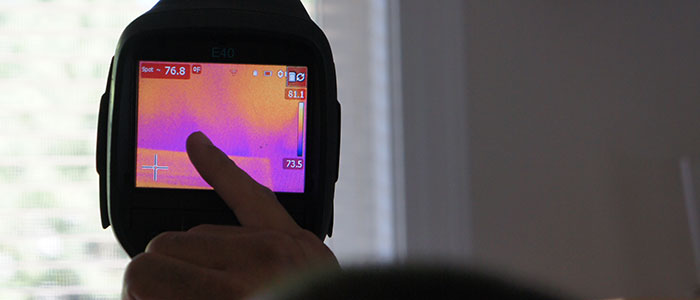
If you want to be more precise about finding leaks, a thermal camera or a professional blower-door test can pinpoint them more accurately.
Stop energy loss with new windows and doors
When older or poorly sealed windows and doors let heated air escape and cold drafts sneak in, they make your home less comfortable — and your heating system work harder. Over time, worn weatherstripping, deteriorating seals, and outdated window construction contribute to significant energy loss. Replacing aging windows and doors with modern, energy-efficient options reduces drafts, minimizes air leaks, and helps maintain more consistent indoor temperatures. It’s a smart way to improve comfort, reduce wasted energy, and keep the Northwest weather where it belongs…outside your home.
Want new windows or doors? Contact our team at 866-409-6997. Our seamless installation process means you can upgrade year-round!
Suggested Reading


- AC
- AC Installation
- AC Units
- AFUE
- air conditioner
- air conditioning
- air conditioning maintenance
- air conditioning service
- air conditioning tune-up
- air duct
- air duct cleaning
- air handlers
- air pollution
- Air Purification System
- air purifier
- Air Sealing
- angie's list
- award
- BBB
- BBB Accredited Business
- before and after
- Best air conditioner
- best filters
- best generator
- best water heater
- best window install
- boilers
- bryant
- Bryant AC
- bryant furnace
- bryant heat pump
- clean air
- combi-boiler
- comfort
- contractor
- contractors
- Cooling
- daikin
- deals
- discounts
- DIY
- door replacement
- Door Transformations
- doors
- drafty home
- drain cleaning
- Duct Cleaning
- Duct Cleaning Services
- ductless
- Ductless heat pump
- ductless heat pump. mini-split
- Ductless heat pumps
- ductless heating systems
- ductless installation
- Ducts
- earth day
- eco friendly
- EER
- election
- electrical inspection
- energy
- energy conservation
- energy efficiency
- energy efficiency rebates
- energy efficient home
- energy efficient hvac
- energy efficient HVAC Systems
- energy efficient windows
- energy myths
- energy saving
- energy saving home products
- energy star
- energy tax credit
- environmentally friendly
- exterior doors
- fall
- fall weather
- fiber cement
- filter
- filter change
- financing options
- fireplace
- fireplace insert
- furnace
- furnace filters
- furnace install
- furnace maintenance
- furnace mileage
- furnace problems
- furnace replacement
- furnace service
- furnaces
- gas fireplace
- Gas Fireplace Makeover
- gas furnace
- generators
- going green
- good business practices
- Guardian Maintenance Club
- heat
- heat pump
- heat pump installation
- heat pump maintenance
- heat pump vs ac
- Heat Pumps
- heat pumps maintenance
- heat wave
- Heating
- heating and cooling systems
- Heating Brands
- Heating Control
- Heating equipment
- Heating System Tuneup
- heatwave
- HEPA filter
- history
- holiday
- home
- home buyer
- home energy
- home energy efficiency
- Home energy efficiency solutions
- home exterior
- home heating
- home improvement
- home improvement repair
- home inspection
- home maintenance
- home maintenance checklist
- home performance
- home protection
- home repair
- home safety
- home upgrades
- home value
- home windows
- homeowners
- honeywell
- hot water
- hot water heater
- how to
- HVAC
- HVAC Contractor
- HVAC Contractors
- hvac system
- IAQ
- indoor air quality
- infographic
- install
- install furnace
- insulation
- intellihot
- light bulb
- light bulbs
- mailbag
- maintenance
- membership
- mini-split
- money saving
- navien
- new door installation
- new home
- New homeowner
- new windows
- news
- pacific northwest weather
- patio doors
- pets
- plumbing
- plumbing inspection
- power
- power outages
- precision tune up
- preventative
- Pro Tips
- Programmable Thermostats
- propane
- PSE Energy
- PUD
- Ratings
- rebates
- refund
- REME Halo
- remodeling hacks
- Replacing Heating System
- reputation
- Safe Home Insulation
- sale
- save energy
- Saving money
- scam
- scams
- seattle
- Seattle Weather
- SEER
- service
- services
- Smart thermostat
- smoke
- Solar Attic Fan
- solar power
- spring
- standby generators
- summer
- summer fires
- Summer heat
- Summer home
- super service 2016
- tank water heater
- Tank water heaters
- tankless tune ups
- tankless water heater
- tankless water heaters
- tax rebate
- tips
- tune-up
- upgrade
- upgrade cooling
- upgrade heating
- utility rebates
- Washington Energy
- washington energy services
- water conservation
- Water Heater
- water heater installation
- water heater maintenance
- water heater repair
- water heaters
- weather windows
- Wildfire Season
- wildfire smoke
- window
- window energy efficiency
- window install
- window maintence
- window remodel
- window repair
- window replacement
- windows
- winner
- winter
- Air Conditioning
- Air Purifiers
- Cooling
- Doors
- Ductless Heat Pump
- Environmental
- Fireplace
- Furnace
- Gas Fireplace
- Generators
- Heat Pump
- Heating
- Home improvement
- How to
- HVAC
- Indoor Air Quality
- Insulation
- News
- Plumbing
- Rebates
- Seattle
- Service near you
- Siding
- Smart Home
- Tank water heaters
- Tankless water heaters
- Tips to save money
- Uncategorized
- Wildfire Season
- Windows