
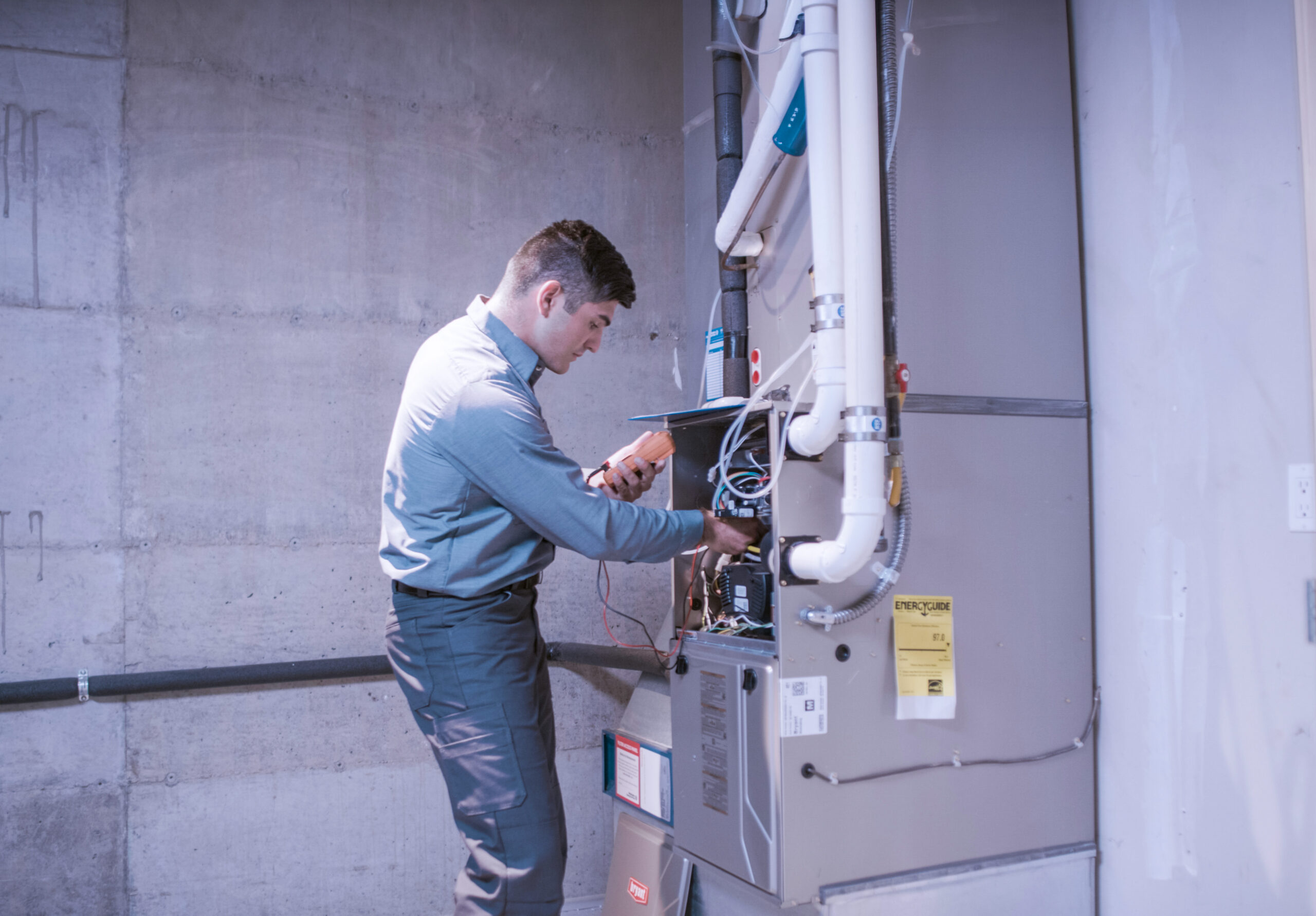
9 Signs it’s Time to Replace Your Furnace
You don’t have to be an HVAC expert to know when a furnace is nearing the end of its service life. With these common signs, most homeowners can tell when their furnace is ready to retire — helping avoid a surprise failure. If three or more of these signs apply, your furnace is likely entering its final years:
- Repairs are becoming a yearly event
If you’re calling for service every winter — or multiple times in a season — parts are likely wearing out across the system. Furnaces tend to decline gradually, not all at once.
Rule of thumb: If a repair costs a significant portion of the replacement cost for a 15+ year-old unit, replacement usually makes more sense.
- Your home doesn’t heat evenly anymore
If your furnace is losing output or airflow performance, rooms that used to be comfortable may now feel:
- Colder than the rest of the house
- Slow to warm up
- Drafty or inconsistent
- Energy bills keep creeping up
Older furnaces lose efficiency over time. Even if nothing seems “wrong,” they may be running longer to do the same job.
If bills go up but the weather hasn’t changed much, the furnace could be working harder than it should.
- Furnace runs constantly
A healthy furnace cycles on and off while an aging system struggles to keep up. Warning signs include:
- Running for very long periods
- Never quite reaching thermostat setting
- Short cycling (turning on and off repeatedly)
- Strange noises are becoming normal
Furnaces usually get louder as components age. As a result, new or worsening sounds often indicate wear. Here’s what to listen for:
- Banging or booming
- Rattling
- Squealing
- Loud humming
- Popping or metal expansion noises that are getting worse
- Yellow pilot flame (instead of blue)
A healthy gas flame burns blue. A yellow flame can indicate combustion issues that may produce carbon monoxide, which should be checked immediately.
- More dust, dryness, or air quality issues
Older furnaces sometimes struggle with airflow and filtration, leading to:
- More dust
- Dry indoor air
- Allergy irritation
- Poor airflow from vents
- Furnace age: 15–20+ years
Even if it still works, replacement planning becomes smart at this point. Efficiency gains and reliability improvements in modern systems are significant and make home comfort an entirely new ballgame.
- You’re nervous every winter it might fail
Many homeowners replace their furnace simply for peace of mind when it hits a certain age. Emergency replacements during cold snaps are stressful and usually more expensive – and because demand spikes during this time, schedules are often booked out.
If you’re interested in discussing a system replacement, our team would be happy to walk you through the repair-versus-replace analysis and which upgrades would best fit your needs.
Suggested Reading

- AC
- AC Installation
- AC Units
- AFUE
- air conditioner
- air conditioning
- air conditioning maintenance
- air conditioning service
- air conditioning tune-up
- air duct
- air duct cleaning
- air handlers
- air pollution
- Air Purification System
- air purifier
- Air Sealing
- angie's list
- award
- BBB
- BBB Accredited Business
- before and after
- Best air conditioner
- best filters
- best generator
- best water heater
- best window install
- boilers
- bryant
- Bryant AC
- bryant furnace
- bryant heat pump
- clean air
- combi-boiler
- comfort
- contractor
- contractors
- Cooling
- daikin
- deals
- discounts
- DIY
- door replacement
- Door Transformations
- doors
- drafty home
- drain cleaning
- Duct Cleaning
- Duct Cleaning Services
- ductless
- Ductless heat pump
- ductless heat pump. mini-split
- Ductless heat pumps
- ductless heating systems
- ductless installation
- Ducts
- earth day
- eco friendly
- EER
- election
- electrical inspection
- energy
- energy conservation
- energy efficiency
- energy efficiency rebates
- energy efficient home
- energy efficient hvac
- energy efficient HVAC Systems
- energy efficient windows
- energy myths
- energy saving
- energy saving home products
- energy star
- energy tax credit
- environmentally friendly
- exterior doors
- fall
- fall weather
- fiber cement
- filter
- filter change
- financing options
- fireplace
- fireplace insert
- furnace
- furnace filters
- furnace install
- furnace maintenance
- furnace mileage
- furnace problems
- furnace replacement
- furnace service
- furnaces
- gas fireplace
- Gas Fireplace Makeover
- gas furnace
- generators
- going green
- good business practices
- Guardian Maintenance Club
- heat
- heat pump
- heat pump installation
- heat pump maintenance
- heat pump vs ac
- Heat Pumps
- heat pumps maintenance
- heat wave
- Heating
- heating and cooling systems
- Heating Brands
- Heating Control
- Heating equipment
- Heating System Tuneup
- heatwave
- HEPA filter
- history
- holiday
- home
- home buyer
- home energy
- home energy efficiency
- Home energy efficiency solutions
- home exterior
- home heating
- home improvement
- home improvement repair
- home inspection
- home maintenance
- home maintenance checklist
- home performance
- home protection
- home repair
- home safety
- home upgrades
- home value
- home windows
- homeowners
- honeywell
- hot water
- hot water heater
- how to
- HVAC
- HVAC Contractor
- HVAC Contractors
- hvac system
- IAQ
- indoor air quality
- infographic
- install
- install furnace
- insulation
- intellihot
- light bulb
- light bulbs
- mailbag
- maintenance
- membership
- mini-split
- money saving
- navien
- new door installation
- new home
- New homeowner
- new windows
- news
- pacific northwest weather
- patio doors
- pets
- plumbing
- plumbing inspection
- power
- power outages
- precision tune up
- preventative
- Pro Tips
- Programmable Thermostats
- propane
- PSE Energy
- PUD
- Ratings
- rebates
- refund
- REME Halo
- remodeling hacks
- Replacing Heating System
- reputation
- Safe Home Insulation
- sale
- save energy
- Saving money
- scam
- scams
- seattle
- Seattle Weather
- SEER
- service
- services
- Smart thermostat
- smoke
- Solar Attic Fan
- solar power
- spring
- standby generators
- summer
- summer fires
- Summer heat
- Summer home
- super service 2016
- tank water heater
- Tank water heaters
- tankless tune ups
- tankless water heater
- tankless water heaters
- tax rebate
- tips
- tune-up
- upgrade
- upgrade cooling
- upgrade heating
- utility rebates
- Washington Energy
- washington energy services
- water conservation
- Water Heater
- water heater installation
- water heater maintenance
- water heater repair
- water heaters
- weather windows
- Wildfire Season
- wildfire smoke
- window
- window energy efficiency
- window install
- window maintence
- window remodel
- window repair
- window replacement
- windows
- winner
- winter
- Air Conditioning
- Air Purifiers
- Cooling
- Doors
- Ductless Heat Pump
- Environmental
- Fireplace
- Furnace
- Gas Fireplace
- Generators
- Heat Pump
- Heating
- Home improvement
- How to
- HVAC
- Indoor Air Quality
- Insulation
- News
- Plumbing
- Rebates
- Seattle
- Service near you
- Siding
- Smart Home
- Tank water heaters
- Tankless water heaters
- Tips to save money
- Uncategorized
- Wildfire Season
- Windows